
Table of Contents
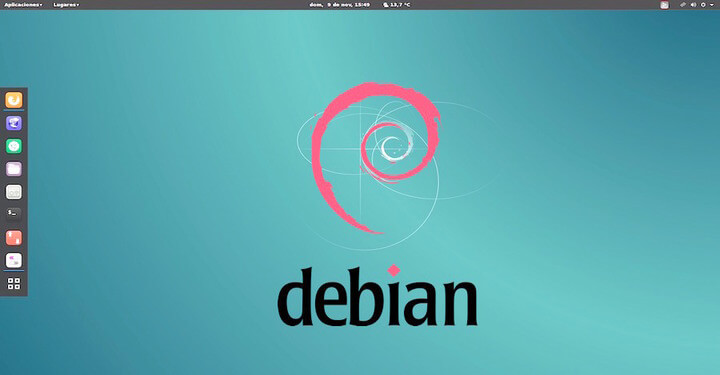
Debian OS is a popular and widely respected open-source operating system (OS) that is based on the Linux kernel. It is known for its stability, security, and extensive package management system. Debian serves as the foundation for many other distributions, including Ubuntu, one of the most popular Linux distributions for desktops and servers.
Key Features of Debian OS
- Stability and Reliability:
- Debian is known for its stability and reliability, making it a preferred choice for servers and critical systems. It undergoes rigorous testing before each release.
- Package Management:
- Debian uses the Advanced Package Tool (APT) for package management. The
dpkgsystem allows easy installation, updating, and removal of software packages. - The official repositories contain over 50,000 packages, covering a vast array of software.
- Debian uses the Advanced Package Tool (APT) for package management. The
- Security:
- Debian places a strong emphasis on security. It provides timely security updates and has a dedicated Security Team that monitors and addresses vulnerabilities.
- Open Source Philosophy:
- Debian adheres to the Debian Free Software Guidelines (DFSG), ensuring that all software included in the main distribution is free and open-source.
- Multi-Architecture Support:
- Debian supports a wide range of hardware architectures, including x86, ARM, MIPS, PowerPC, and more.
- Community-Driven:
- Debian is developed and maintained by a large community of volunteers. It is governed by the Debian Project, which follows a democratic and transparent decision-making process.
- Versatility:
- Debian can be used for various purposes, including desktops, servers, embedded systems, and more. Its versatility makes it suitable for both personal and professional use.
- Release Cycles:
- Debian releases are categorized into three branches: Stable, Testing, and Unstable.
- Stable: Recommended for production environments; it is thoroughly tested and very reliable.
- Testing: Contains packages that are being tested for the next stable release; more up-to-date than Stable but less tested.
- Unstable (Sid): Used for development and contains the latest packages; it is the least tested and potentially the least stable.
- Debian releases are categorized into three branches: Stable, Testing, and Unstable.
Installing Debian OS
- Download:
- Download the Debian ISO from the official Debian website.
- Create Installation Media:
- Create a bootable USB drive or burn the ISO to a CD/DVD.
- Boot and Install:
- Boot from the installation media and follow the installation prompts to set up Debian on your machine.
Debian OS Use Cases
- Servers:
- Debian’s stability and security make it ideal for server environments, including web servers, database servers, and file servers.
- Desktops:
- Debian provides a robust desktop environment with multiple desktop environment options (GNOME, KDE, XFCE, etc.).
- Development:
- Developers use Debian due to its vast software repository and development tools.
- Embedded Systems:
- Debian can be used for embedded systems and Internet of Things (IoT) devices due to its support for various architectures.
Advantages of Debian OS
Stability: All Debian packages are tested before being included in its repositories. Debian also has a slower release cycle than other distributions, and each version is supported for a long time. So it guarantees a high level of stability.
Security: Debian regularly provides security updates for its open-source software to quickly fix software security bugs and prevent possible vulnerabilities.
An established Linux distribution: Debian is one of the oldest and most established Linux distributions, and many popular distributions such as Ubuntu are based on Debian.
Server compatibility: You can use the original version of Debian on a server without needing a special version or modification. It is a great choice for a Linux VPS.
Open source: being open source is an advantage that users can apply any changes to the operating system.
Strong support: Debian is not just a Linux operating system, this software is produced by hundreds of volunteers worldwide. You can still be part of the Debian community even if you are not a programmer.
Debian is based on community and consensus. Due to the wide range of users, Debian has become a common practice in Linux software. You can find all kinds of software you need on Debian.
Types of Debian versions
Debian has been introduced in 3 versions, which we will explain in the following.
Stable version
The stable version is the latest official version of Debian that has high stability and security. it is incompatible with new software because of Debian’s slow release cycle (1-3 years).
So, if you are looking for the latest and greatest software packages, the stable version is not the best choice.
Testing version
This version is expanding its software packages and waiting in line for stability.
The Testing version is for error testing, providing the latest software enhancements. Also, the Testing version has more updates compared to the stable version.
But its disadvantage is that it can not receive security packages at the right time; The latest beta version of Debian is Bullseye.
Conclusion
Debian OS is a versatile, stable, and secure operating system with a strong commitment to free and open-source software. Its extensive package management system, broad hardware support, and robust community make it a preferred choice for a wide range of applications, from personal desktops to enterprise servers and beyond. Whether you are a developer, system administrator, or casual user, Debian offers a reliable and flexible platform to meet your needs.